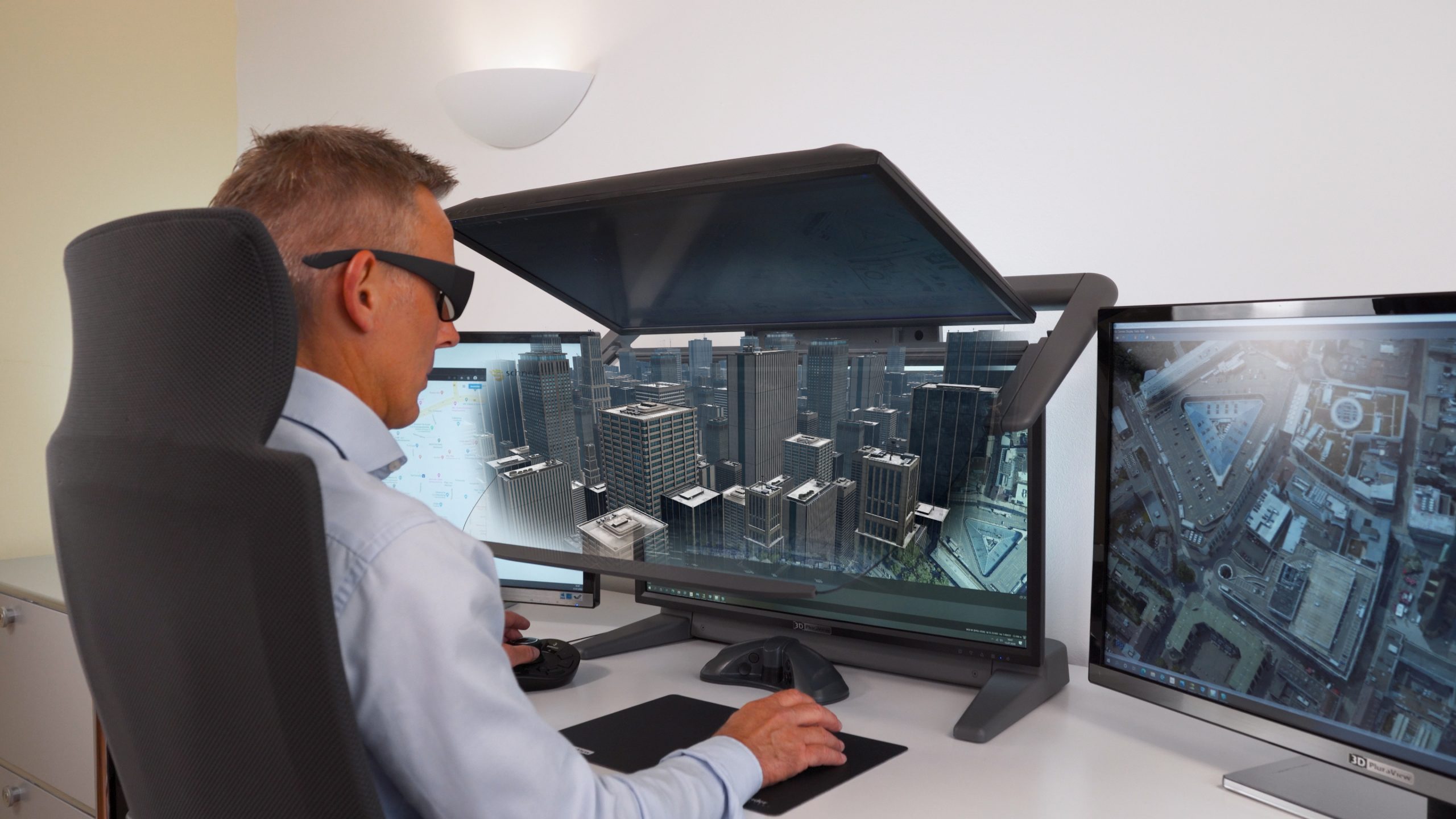
3D PluraView.
The best stereo monitor to display all your 3D content. Passive beam-splitter technology delivering full 4K resolution per eye.
Pluraview — the brand of autostereoscopic displays built for true 3D visualization.
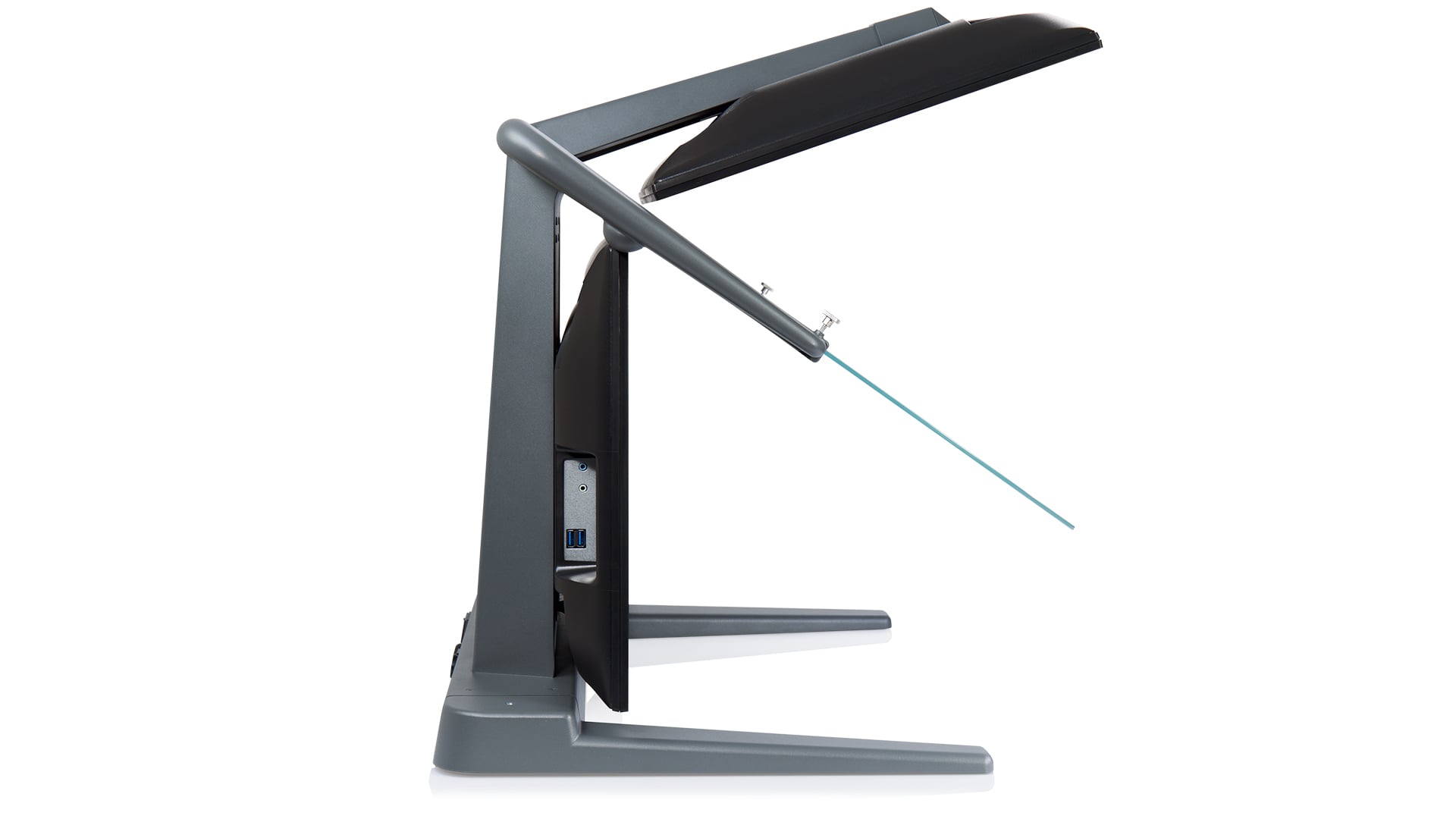
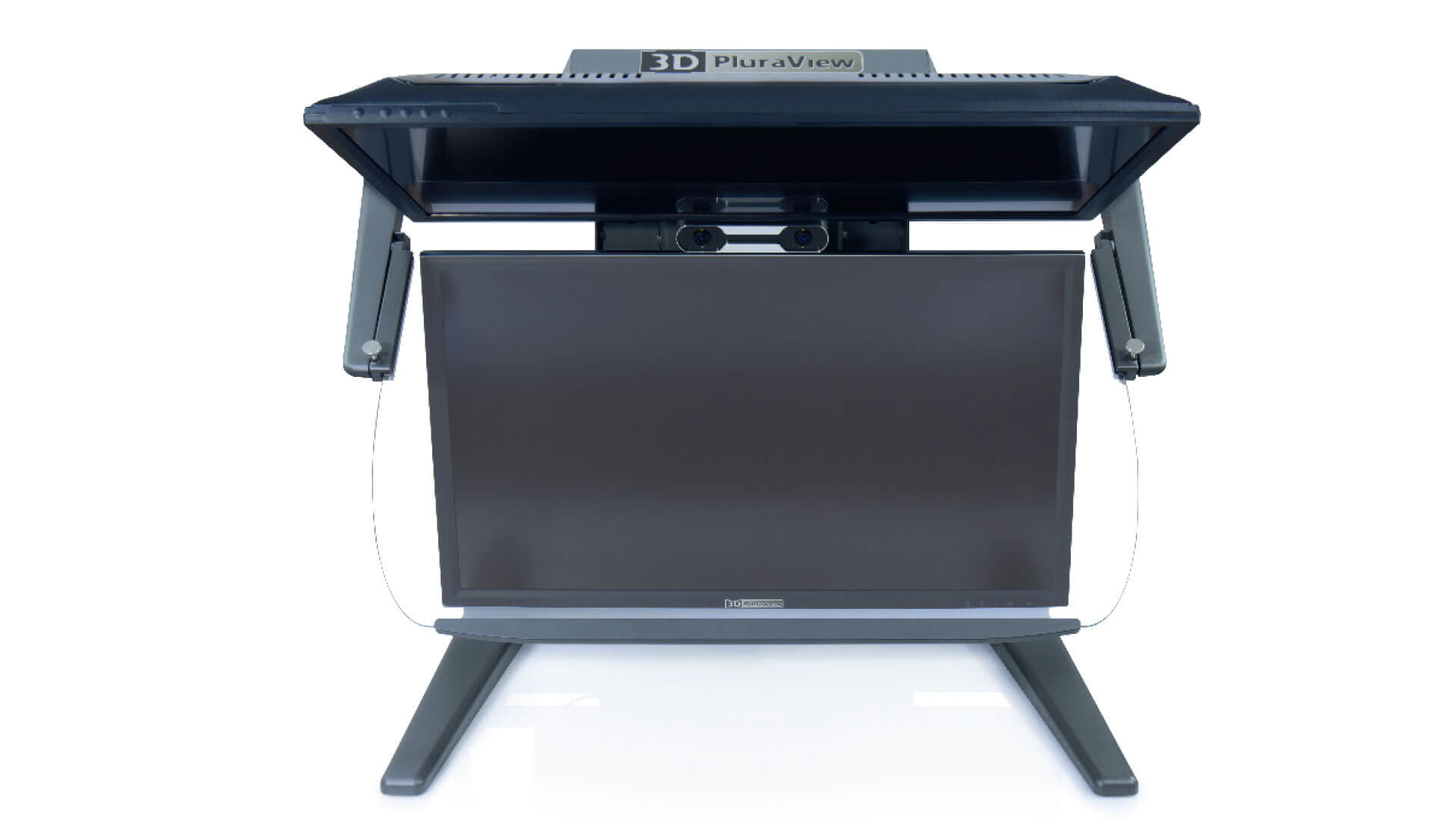
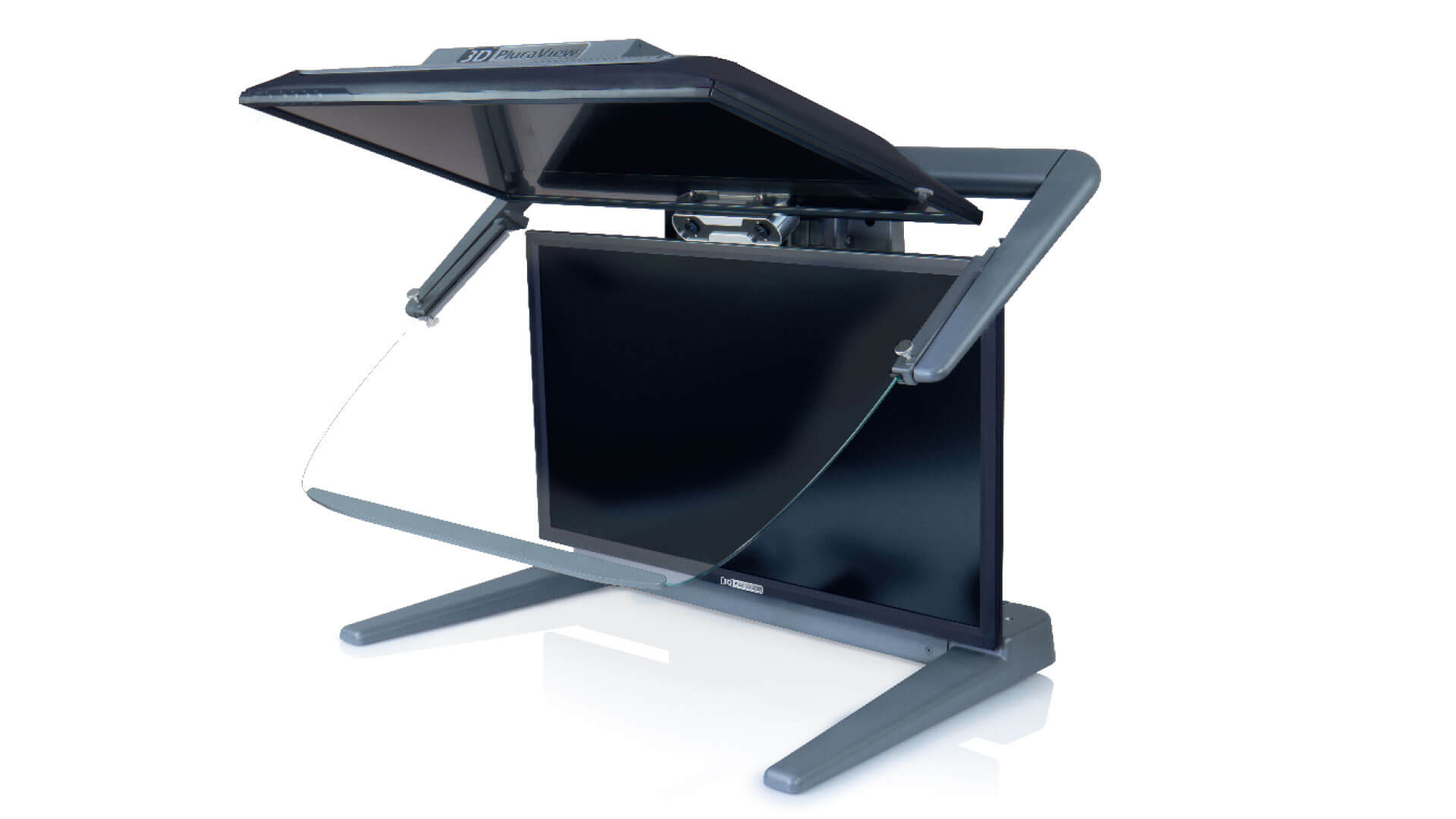
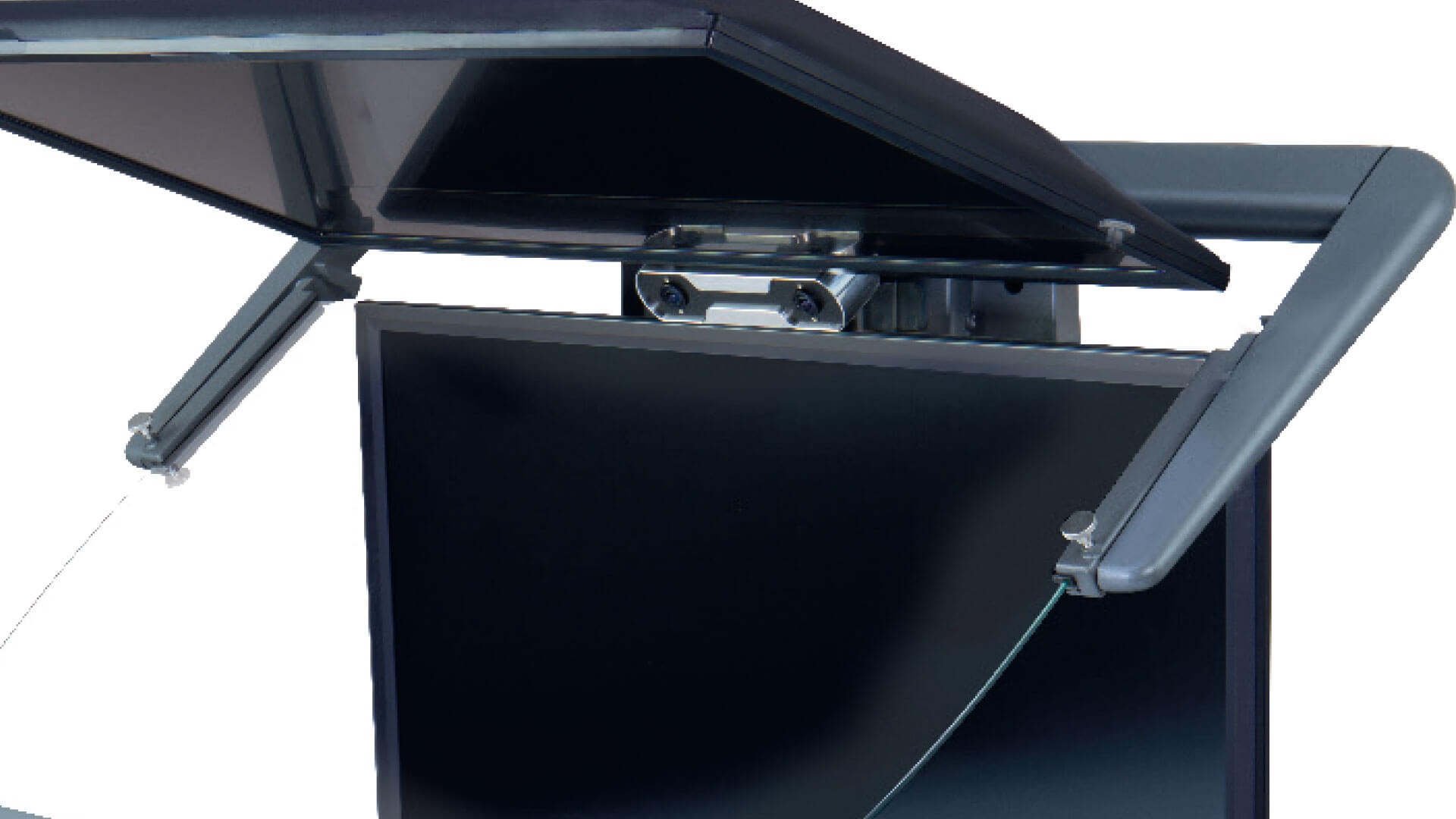
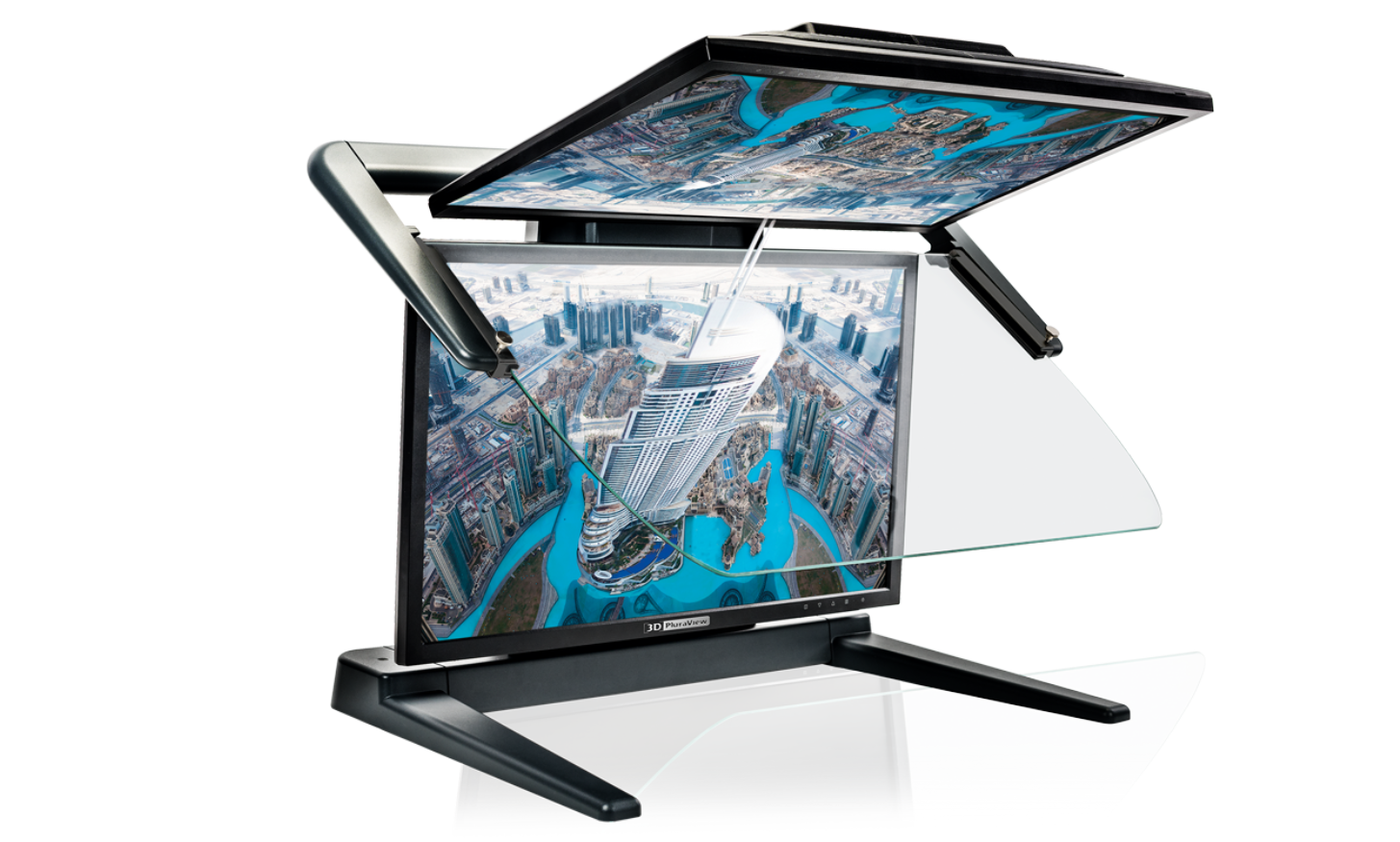
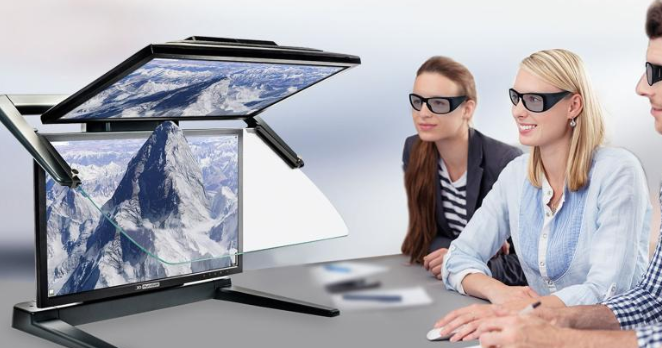
PluraView displays use beam-splitter technology paired with polarized glasses to create a genuine stereoscopic viewing experience at full monitor resolution per eye — up to 4K UHD.
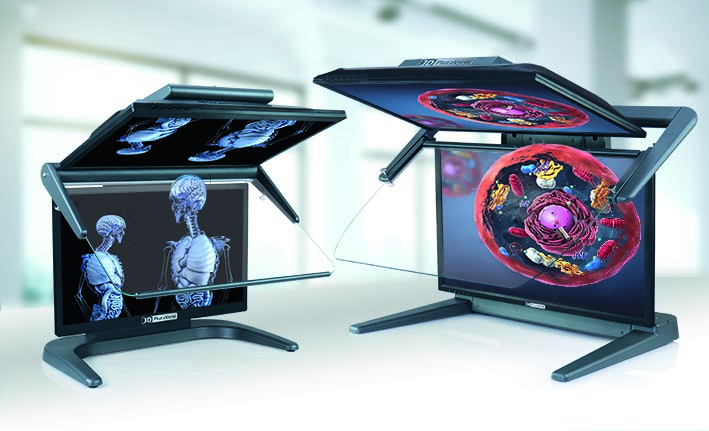
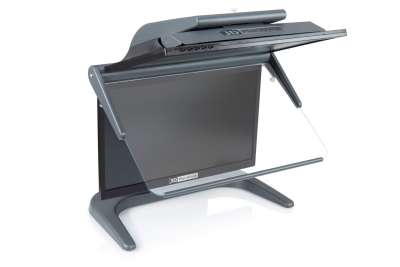
The 3D PluraView is a desktop stereo monitor capable of displaying three-dimensional imagery with precise depth perception, enabling professionals in medicine, engineering, and geospatial fields to see their data exactly as it exists.
With one display per eye, the 3D PluraView removes the compromises of shutter-glass systems: no flicker, no ghosting, and no crosstalk — just calm, fatigue-free stereo you can work in all day.
Two housings. Three resolutions. One stereo platform.
Three models offer Full HD, 2.5K, or 4K per-eye resolution across a compact or premium housing — matched to the space and precision requirements of each workflow.
3D PluraView Compact 22" Full HD
- Resolution:
- 2x 1,920 x 1,080 (2.1 MP)
- Brightness:
- 250 cd/m²
3D PluraView 24" Full HD 144 Hz
- Resolution:
- 2x 1,920 x 1,080 (2.1 MP)
- Brightness:
- 350 cd/m²
3D PluraView 27" 2.5K
- Resolution:
- 2x 2,560 x 1,440 (3.7 MP)
- Brightness:
- 350 cd/m²
3D PluraView 28" 4K
- Resolution:
- 2x 3,840 x 2,160 (8.3 MP)
- Brightness:
- 300 cd/m²
Engineered for industries where 3D visualization
drives real outcomes.
Engineering & Design
View 3D models and CAD assemblies from multiple perspectives for precision review and iteration.
Medicine
Stereoscopic visualization of CT, MRI, and surgical-planning volumes with full anatomical depth.
Education
Teach complex science, math, and engineering concepts through true spatial visualization.
Geospatial & GIS
Photogrammetry, LiDAR, and ArcGIS Pro stereo compilation at native accuracy.
Advertising
Immersive campaigns and product showcases that demand attention.
Entertainment
3D content authoring for film, broadcast, and interactive media.
What are the benefits of 3D PluraView?
Autostereoscopic Viewing
Immersive 3D with light, passive polarized glasses — comfortable for multi-user collaboration.
Multiple Viewing Angles
Wide horizontal viewing angle means multiple viewers can see the same stereo result at once.
Improved Understanding
True depth perception reduces interpretation time on complex designs and medical volumes.
Increased Engagement
Immersive, interactive review drives attention in training, field ops, and sales contexts.
Reduced Eye Strain
Flicker-free, passive-stereo system supports long professional sessions without fatigue.
Improved Productivity
One display per eye at full resolution delivers measurable workflow gains for stereo-native tasks.
The history of 3D PluraView
PluraView traces back to Schneider Digital, founded in Germany in the early 2000s. The company began developing autostereoscopic displays after years of building software for 3D image and video work.
In 2009 the first PluraView debuted at CeBIT in Hannover with a 1920 x 1200 beam-splitter system. In 2016 the 4K generation arrived at 3840 x 2160 per eye, opening the platform to demanding engineering, design, and medical-imaging workflows.
Today PluraView is the de-facto standard for professional stereo visualization — continuously refined with new tracking interfaces, SDK support, and brighter panels.
The desktop VR system that complements immersive HMDs.
VR PluraView 28" 4K/UHD — Technical Specifications
Requires any QuadBuffer-enabled NVIDIA Quadro or AMD FirePro/RadeonPro card with at least 2x DisplayPort 1.1 outputs. An additional desktop monitor adapted to the stereo polarization is recommended. 10-bit color depth in QuadBuffer stereo requires AMD graphics.
Shop the PluraView family.
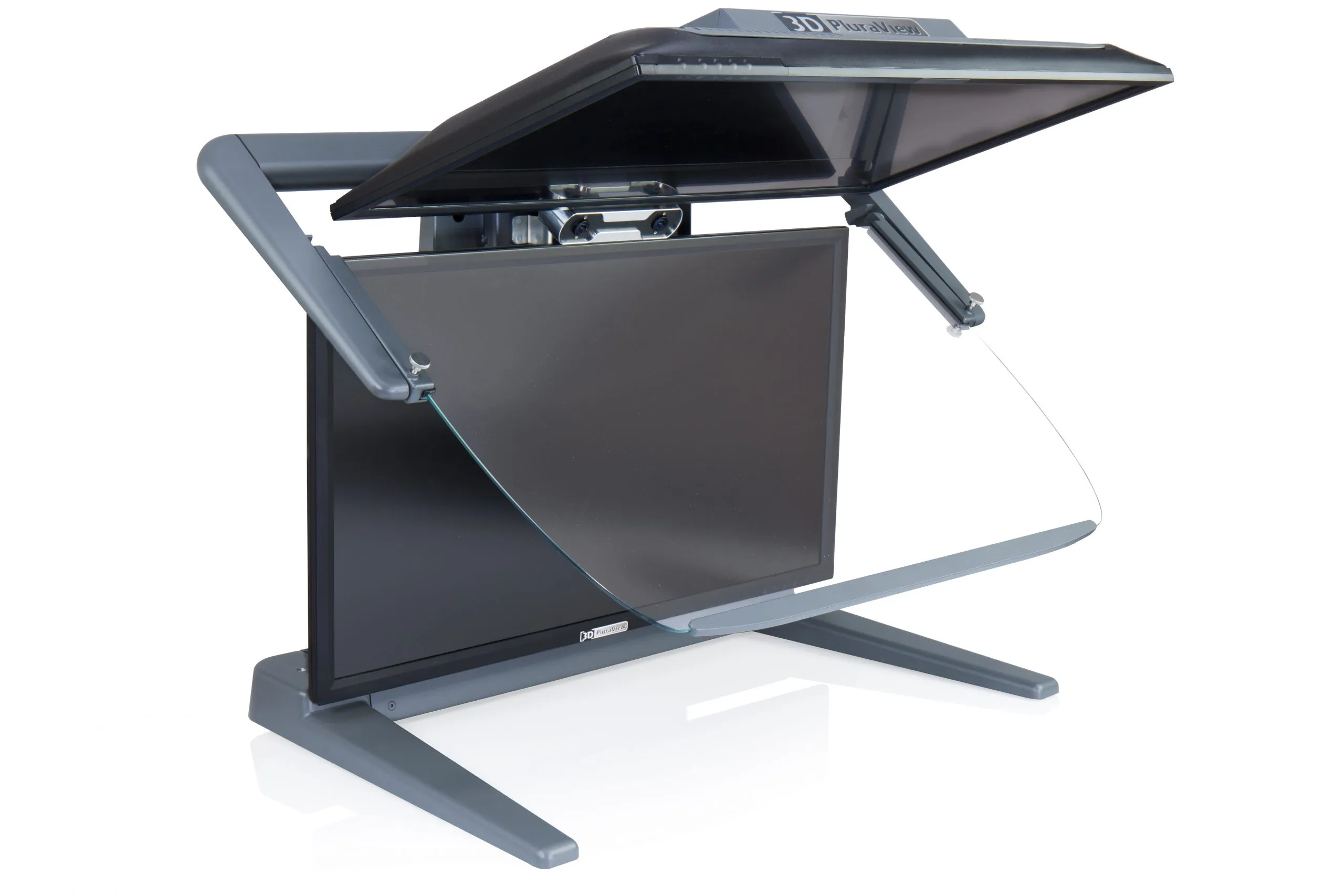
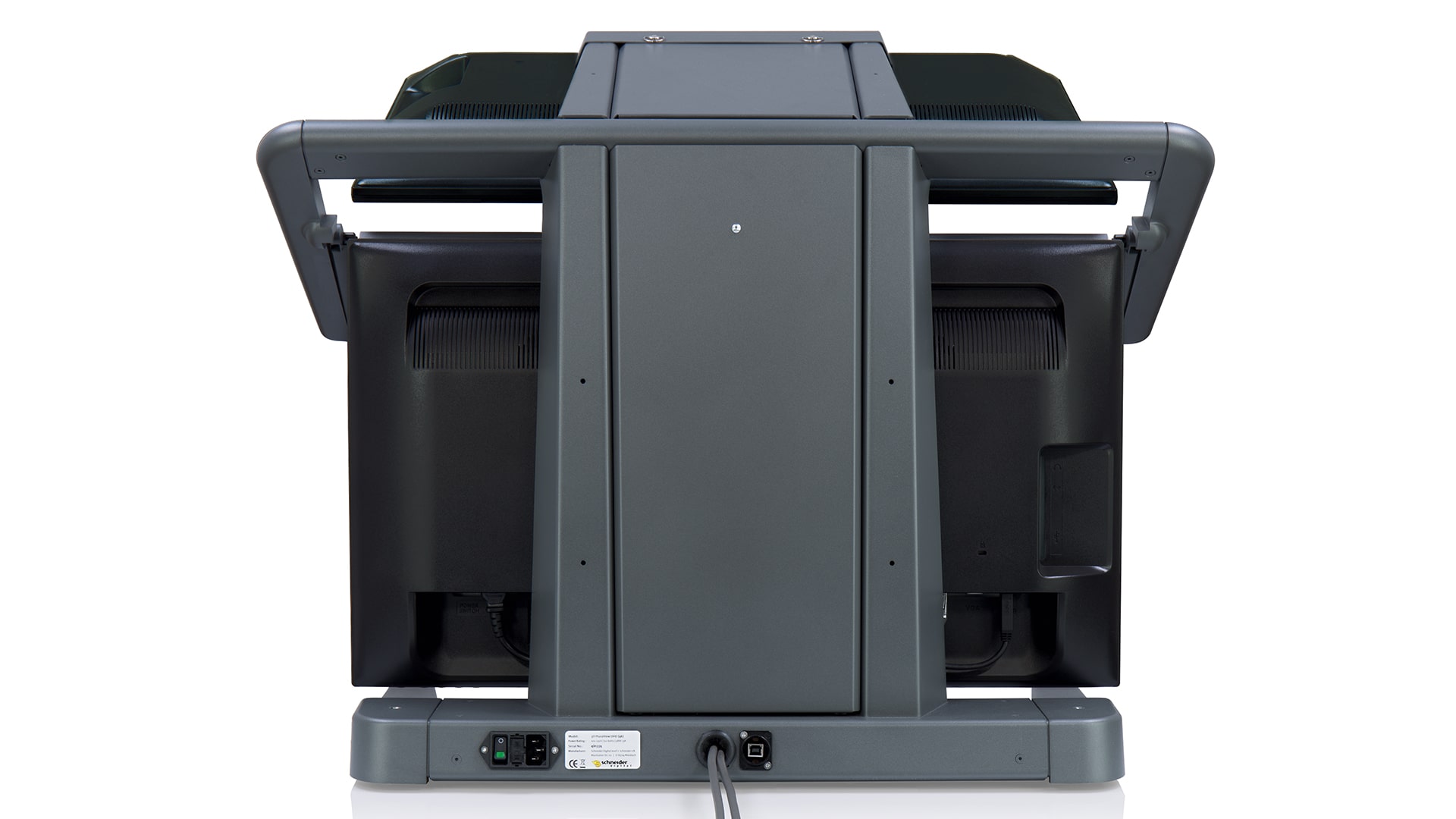
Closer look.